Mastering Semi-Stripping with Automatic Wire Cutters
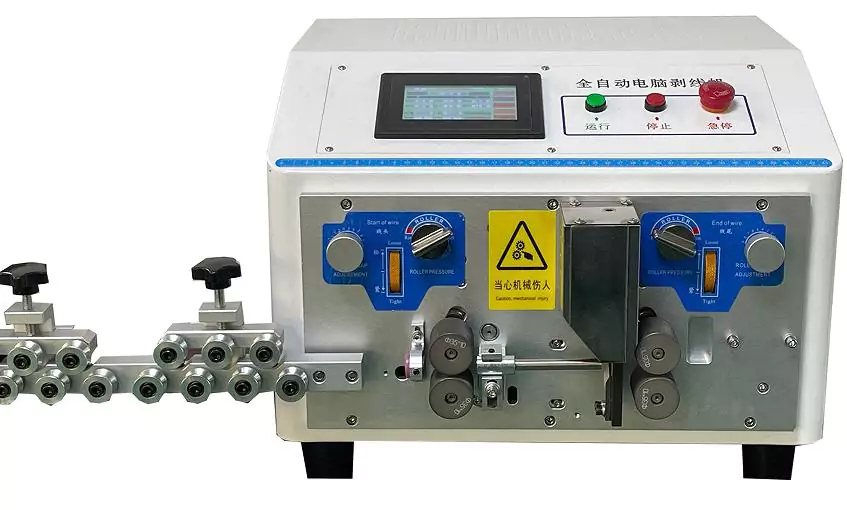
Automatic wire cutting and stripping machines are indispensable tools across diverse sectors like electronics, automotive, and electrical manufacturing. These devices efficiently remove insulation, preparing wires for subsequent operations or connections. A key capability of some wire strippers is semi-stripping, where insulation is removed from a specific segment of the wire while leaving the ends untouched. This guide outlines how to configure semi-stripping on your automatic wire cutter and stripper.
Getting Started: Essential Prerequisites
Before you begin configuring semi-stripping, ensure you have the following:
Your : The exact steps will depend on your machine's make and model.
The user manual: This is crucial for detailed, machine-specific instructions and terminology.
A strong understanding of safety precautions: Always prioritize safety by thoroughly reviewing and understanding the operating procedures in your machine's manual.
Step-by-Step Configuration Guide
Follow these steps to set up semi-stripping:
1. Power On and Access Machine Settings
First, power on your wire stripper and allow it to complete its startup sequence. Next, locate the button or menu option that lets you access the machine's settings. This might be labeled "Settings," "Parameters," or something similar.
2. Navigate to Stripping Options
Within the settings interface, find the options related to stripping length or parameters. Select this to enter a dedicated menu for adjusting stripping settings. Look for and activate the "Semi-Stripping" or "Short Stripping" option within this menu.
3. Define the Semi-Stripping Length
Now, specify the exact length of insulation you want removed from the semi-stripped section. This determines how much insulation remains on the wire ends. Use the provided controls or input fields to precisely set this length, ensuring it matches your requirements.
4. Save and Confirm Your Settings
Carefully review all your settings, especially the semi-stripping length, to ensure accuracy. Once satisfied, click the "Save" or "Confirm" button. Your machine will now store these settings for future stripping operations.
5. Test and Refine
Initiate a test cycle to verify the stripping results. Observe the semi-stripped wire to confirm the insulation removal aligns with your specifications. If needed, make minor adjustments to the semi-stripping length or other parameters based on your test results. Repeat the testing until you achieve the desired outcome.
Important Considerations
Keep in mind that specific settings menus and terminology can vary significantly between different wire stripper models. Always consult your user manual for precise instructions. Above all, safety must be your top priority. Operate your wire stripper only after fully understanding all operating procedures and safety precautions outlined in the user manual.
By following these comprehensive steps and consulting your specific user manual, you can effectively configure semi-stripping on your automatic wire cutter and stripping machine. This functionality offers precise insulation removal from a designated wire portion, enhancing flexibility and control in your wire processing tasks. What types of wire processing tasks do you typically work on?
评论
发表评论