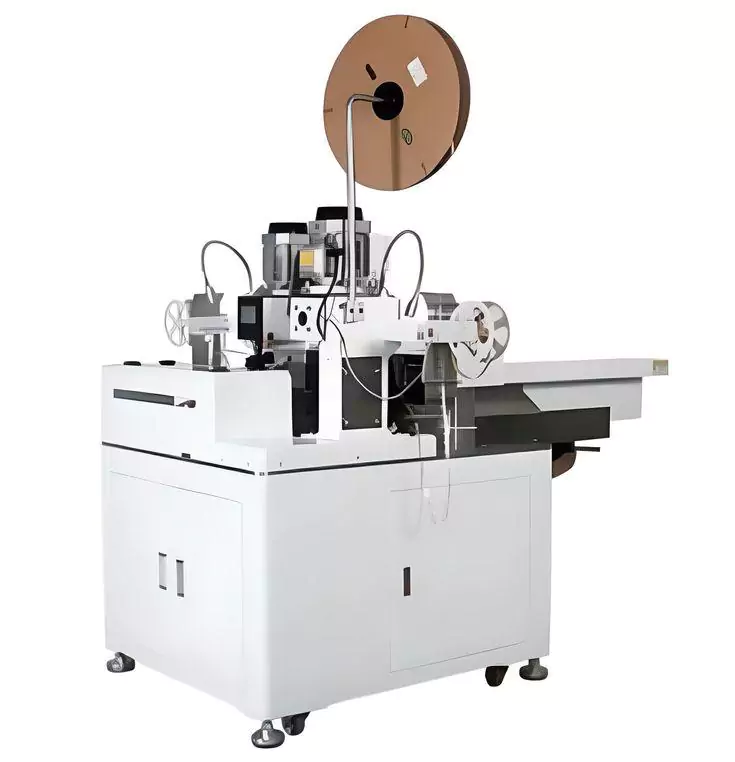
In today's industrial landscape, automated machinery plays an increasingly critical role. Among these, the automatic wire cutting, stripping, and terminal crimping machine stands out as a vital asset across the electronics, electrical, and telecommunications sectors. This article explores the purpose, operational principles, and crucial adjustment techniques for this indispensable equipment, offering insights for its effective deployment.
Understanding the Machine's Function
Essentially, an automatic wire processing machine is a sophisticated device designed for the precise preparation of wire terminals. It autonomously handles tasks like insulation removal, terminal attachment, and securing the connection, leading to substantial improvements in production speed and output quality. These machines typically integrate a robust mechanical framework, an advanced electrical control system, and a user-friendly human-machine interface. Pre-programmed settings and customizable parameters enable seamless, automated wire terminal fabrication.
How It Operates
The operational sequence of an automatic wire processing machine involves several distinct stages:
1. Stripping the Wire: Utilizing a cutting tool or specialized blade, the machine precisely removes the wire's insulating jacket, exposing the conductive core.
2. Crimping Terminals: The prepared wire then moves to the crimping zone, where a dedicated mechanism securely joins the terminal to the wire, creating a reliable electrical bond.
3. Securing the Connection: Post-crimping, the machine reinforces the terminal's attachment, ensuring the connection's integrity and durability.
4. Quality Control: Many advanced machines incorporate an integrated inspection system to verify the quality of the processed terminals, automatically rejecting any that don't meet specifications.
Essential Adjustment Procedures
To optimize the performance of an automatic wire processing machine, proper adjustments are key:
1. Parameter Configuration: Before commencing operations, it's vital to configure settings such as stripping length, crimping force, and crimping duration to match specific production requirements. These parameters directly influence both the quality and efficiency of the output and must be fine-tuned according to the material and terminal type.
2. Die Changes: Different wire gauges and terminal types necessitate the use of specific dies. Therefore, operators must exchange dies as needed, followed by further adjustments to guarantee consistent processing quality and stability.
3. Troubleshooting: Should issues arise, such as wire jams or loose crimps, systematic troubleshooting is essential. This involves inspecting the mechanical components, electrical control system, and other relevant parts to pinpoint the root cause and implement corrective actions.
Conclusion
The automatic wire cutting, stripping, and terminal crimping machine is a cornerstone of modern automation, significantly enhancing the speed and quality of wire terminal production. A thorough understanding of its operational principles and adjustment techniques is paramount for its effective use and ongoing maintenance. By meticulously setting parameters, performing timely die changes, and efficiently resolving faults, businesses can ensure the machine's optimal performance, ultimately boosting production efficiency and product excellence.
For comprehensive technical resources on wire crimping machines, visit our specialized page.
评论
发表评论