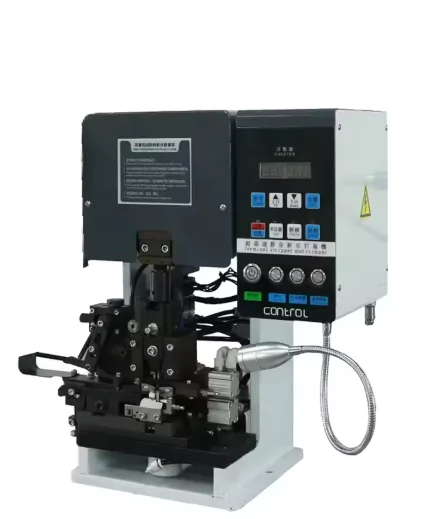
Your multi-core wire stripper and crimper is a valuable asset, designed to streamline wire processing. However, it can be frustrating when the machine only performs the initial line setting action without completing the full stripping and crimping process. This guide explores the potential reasons for this problem and offers solutions to get your machine back to optimal performance.
Understanding Why Only Setting Occurs
Several factors can cause your machine to clamp the wire but then fail to strip and crimp:
Power Supply Instability: An inconsistent or insufficient power supply can disrupt machine operations. This might be due to a loose or damaged power cable causing voltage fluctuations.
Sensor Malfunctions: Faulty sensors are critical culprits. A loose or damaged sensor connection, or even incorrect sensor positioning, can send inaccurate signals to the machine's controller, leading to incomplete actions.
Motor Problems: If the motor responsible for stripping and crimping isn't working correctly, the machine might only perform the initial setting. This could be accompanied by unusual noises or changes in the motor's current draw.
Controller Confusion: The controller acts as the machine's brain. A defective controller, a damaged interface, or programming errors can result in a disjointed sequence where only the setting action occurs.
Other Potential Issues: In some cases, mechanical failures within the machine or problems with the circuit board could also lead to this issue.
Restoring Functionality: Getting Back on Track
Here's how to diagnose and address the problem:
Check Power: Start by ensuring a stable power supply. Inspect the power cord for any loose connections or damage that could affect voltage.
Inspect Sensors: Examine sensor connection cables for signs of wear or damage. Also, confirm that the sensors are positioned correctly according to the manufacturer's instructions.
Evaluate Motor: Listen for any unusual noises from the motor during operation. If you suspect a motor issue, consult your user manual for troubleshooting or seek professional assistance.
Assess Controller: While controller issues are less common, verify that the controller interface is functioning properly. If you suspect programming errors, consult the user manual or contact a qualified technician.
Seek Professional Help: For issues beyond basic troubleshooting, like potential mechanical failures or circuit board problems, it's best to involve a professional maintenance technician.
Preventive Maintenance: Keeping Your Machine Running Smoothly
Regular maintenance is key to avoiding these problems altogether. Here are some preventative measures:
Routine Upkeep: Refer to your user manual for recommended maintenance schedules, including cleaning procedures, lubrication points, and component inspections.
Early Detection: Be aware of any unusual noises, temperatures, or error messages during operation. Addressing these promptly can prevent them from escalating.
Proper Training: Ensure operators are well-trained on machine operation and basic troubleshooting steps.
By understanding the potential causes of line setting issues and implementing these solutions, you can effectively diagnose and fix the problem. Remember, prioritizing preventive maintenance is essential for keeping your multi-core stripper crimper operating smoothly and efficiently for years to come.
评论
发表评论