跳至主要内容

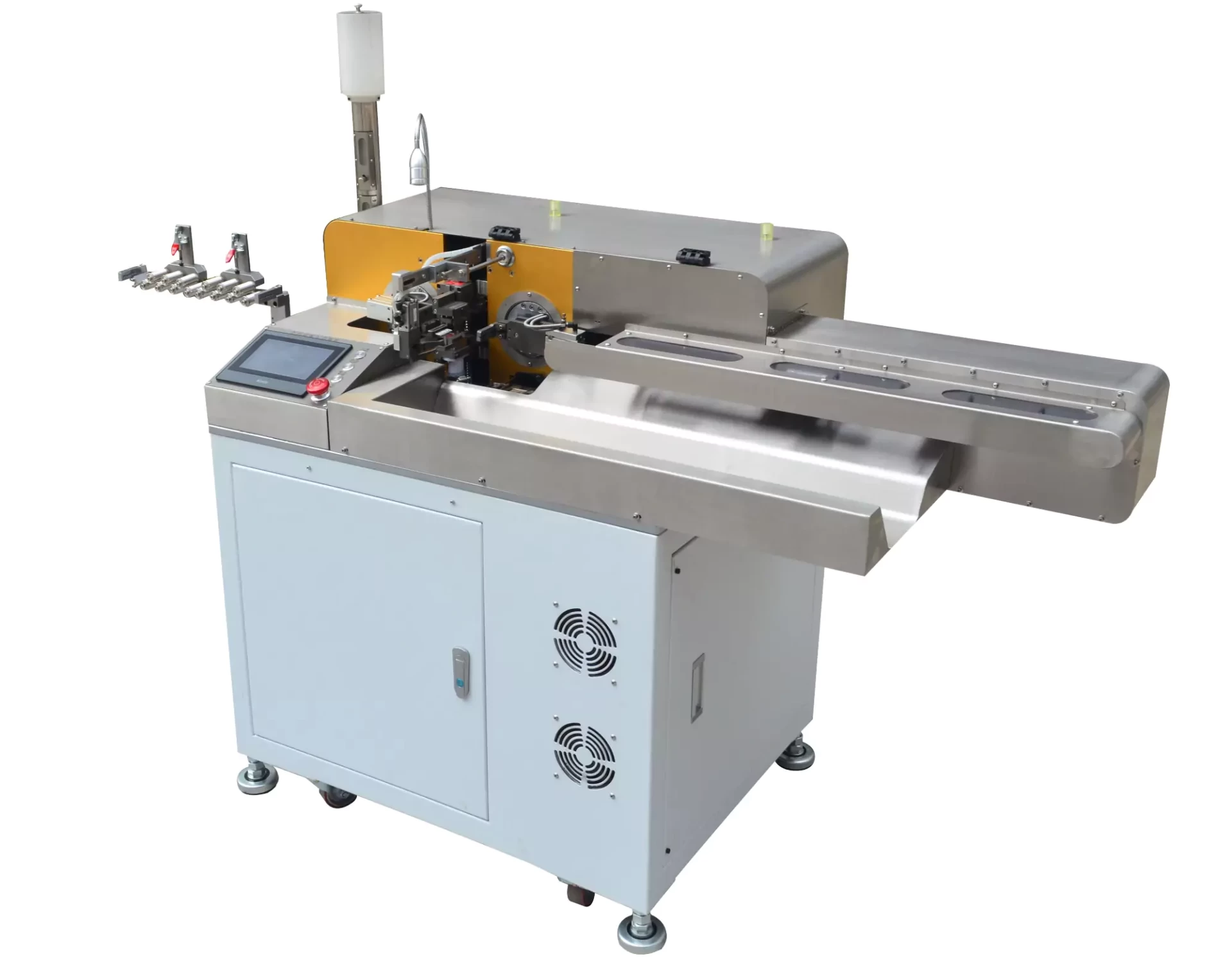
Analysis of Twisting Failures in Automatic Wire Multi Cut Strip Twist Both-Ends Tinning Machines


Twisting malfunctions in automatic wire processing machines can significantly disrupt production. Identifying the root causes is essential for maintaining efficient operations. This analysis focuses on common issues related to equipment, wire materials, and operational errors, offering practical solutions for improved performance.

I. Equipment-Related Issues

Inaccurate Machine Configuration: Incorrect settings for cutting, stripping, twisting, and tinning can lead to failures.

Solution: Follow manufacturer guidelines to recalibrate the machine parameters precisely.

Component Wear and Tear: Damaged mechanical parts, such as worn gears or broken clamps, can disrupt the twisting mechanism.

Solution: Inspect and replace or repair worn components immediately.

II. Wire Material Defects

Inconsistent Wire Specifications: Variations in wire diameter (exceeding ±0.05mm) result in irregular twisting and reduced quality.

Solution: Use wires that meet standardized diameter tolerances.

Contaminants in Conductors: Impurities within the wire material can cause instability during the twisting process.

Solution: Ensure all wire materials are clean and free of contaminants.

III. Operational Errors

Inadequate Operator Training: Insufficient training can lead to procedural errors and improper machine handling.

Solution: Implement comprehensive, standardized training programs for all operators.

Poor Wire Alignment: Improper meshing of strands during the twisting process can cause breakage or irregular twists.

Solution: Verify wire alignment and adjust the gripping pressure to ensure proper engagement.

IV. Corrective and Preventive Actions

To address these issues effectively, implement the following steps:

Recalibrate: Reset machine parameters based on the manufacturer’s specifications.

Replace: Regularly replace worn blades, clamps, and drive assemblies.

Standardize Materials: Source wires with a tight diameter tolerance (≤0.02mm).

Train Staff: Conduct certified operational training for all personnel.

Optimize Alignment: Adjust wire guides to maintain minimal angular deviation (less than 3°) during meshing.

Conclusion

Twisting failures typically result from equipment misalignment, poor material quality, or operational inconsistencies. By adopting systematic verification protocols, rigorous quality control for materials, and operator certification, manufacturers can significantly reduce defects and improve throughput. Regular preventive maintenance audits are key to ensuring sustained, reliable machine performance.


评论

此博客中的热门博文

Troubleshooting Common Automatic Wire Cutter and Stripper Issues

Experiencing problems with your automatic wire cutter and stripper ? Many common issues can be quickly resolved with simple adjustments and maintenance. This guide will help you diagnose and fix the most frequent challenges, ensuring your machine operates efficiently. Unstripped Wire Ends If your machine isn't stripping wire ends properly, first examine the cutting depth. If the cut is too shallow, adjust the wire diameter setting to a larger value. Insufficient pressure from the feeding wheel can also be a culprit; in this case, increase the air pressure. Don't forget to clean the feeding wheel thoroughly, as accumulated dirt can hinder its grip. Finally, review your retraction parameters—they might be set incorrectly (either too large or too small), and always confirm normal air supply to the machine. Issues with Stripping Wire Tails Similar to wire ends, unstripped tails often point to a shallow cutting depth. Try decreasing the wire diameter parameter slightly. A loose wire...

Unveiling Excellence: The Apex of Precision in Tubing Cutting

Welcome to a new era of engineering where innovation meets superior performance. Our tubing cutting machines are not just tools; they redefine the art of tube manipulation, offering unmatched accuracy and efficiency. Prepare to explore the pinnacle of cutting technology. Precision, Elevated Whether you're working with shrink tubing or sensitive medical materials, our machines establish a new benchmark for precision. Experience consistently clean, flawless cuts every time, ensuring your materials are handled with the greatest care. Bid farewell to uneven edges and embrace a new standard of excellence in your operations. Seamless Efficiency and Advanced Capabilities Designed with advanced features, our tubing cutters are built to streamline your entire workflow. They boast adjustable cutting speeds, versatile peripheral integration, and impeccable cut-to-length accuracy. These capabilities empower you to achieve exceptional results across diverse applications. From intricate medica...

Troubleshooting Line Setting Issues in Your Multi-Core Wire Stripper & Crimper

  Your multi-core wire stripper and crimper is a valuable asset, designed to streamline wire processing. However, it can be frustrating when the machine only performs the initial line setting action without completing the full stripping and crimping process. This guide explores the potential reasons for this problem and offers solutions to get your machine back to optimal performance. Understanding Why Only Setting Occurs Several factors can cause your machine to clamp the wire but then fail to strip and crimp: Power Supply Instability: An inconsistent or insufficient power supply can disrupt machine operations. This might be due to a loose or damaged power cable causing voltage fluctuations. Sensor Malfunctions: Faulty sensors are critical culprits. A loose or damaged sensor connection, or even incorrect sensor positioning, can send inaccurate signals to the machine's controller, leading to incomplete actions. Motor Problems: If the motor responsible for stripping and crimping is...